The Most Dangerous Resistance Is the Quiet Kind
More transformations stall from quiet doubt than loud resistance. The meetings look calm. The sentiment dashboards look stable. But underneath the surface sits the emotion that derails more strategies than any structural flaw: ambivalence.
Most organizations never see ambivalence coming. It does not appear in engagement scores, and it rarely comes up in exit interviews. It shows up in how slowly decisions move, how carefully people speak, and how teams hedge instead of commit. It shows up in the stories employees tell each other when leadership is not in the room. And by the time it becomes visible, the drift has already begun.
When Belief Erodes Faster Than Performance
Cultural drift occurs when beliefs decay faster than leaders realize. Not belief in the company, but belief in the path forward. Employees do not need to revolt. They stop believing that their contributions will matter. They comply without aligning. They deliver without committing. They show up, but they no longer move the organization forward with the rigor they once exhibited.
Cultural Drift Is a Strategic Risk, Not a Soft Problem
This is not a soft issue. It is a strategic one. The biggest risks to change are not talent shortages or budget constraints. They are the unspoken human realities that sit between strategy and execution: uncertainty, contradiction, misalignment, and emotional fatigue. These forces carry a real cost. They slow transformations. They dilute leadership credibility. They erode the very behaviors organizations rely on to achieve results.
HR’s Role Is Early Detection, Not Cleanup
I am not suggesting that HR should singlehandedly solve these challenges. But People leaders can be the heroes of early detection. When HR is attuned to cultural drift and equipped with tools that reveal the true root causes, they can intervene long before the symptoms spill into performance or engagement crises. Early clarity is no longer a luxury. It is a strategic advantage.
Why Traditional Listening Fails to Catch Drift Early
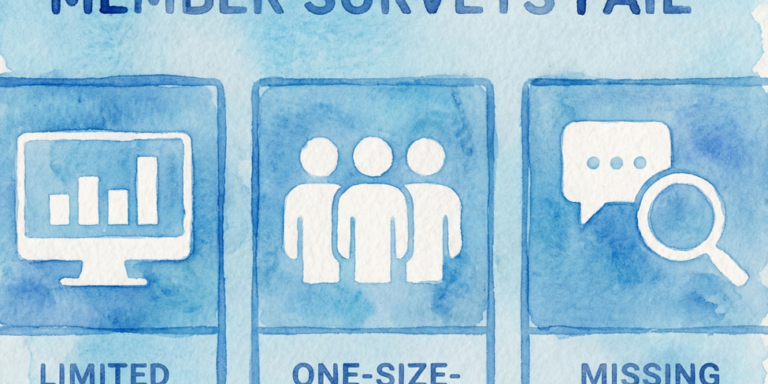
The challenge is that most listening methods cannot detect cultural drift early enough to change the outcome. Traditional surveys flatten nuance and reward safe answers. Focus groups collect curated perspectives. Leaders often hear more optimism than truth. And because no one wants to disappoint or destabilize, the quiet doubts stay quiet.
From Measuring Sentiment to Revealing Meaning
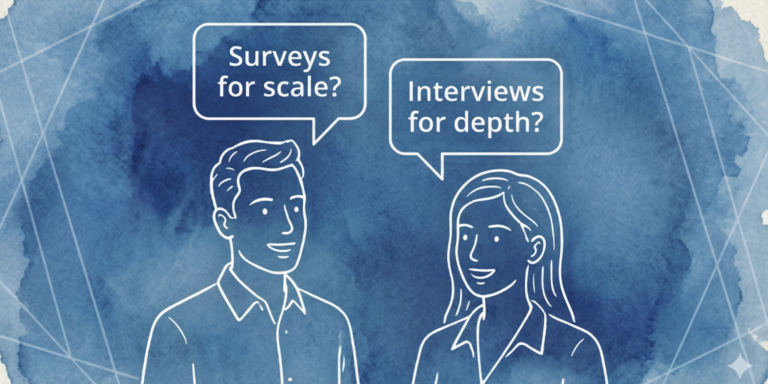
This is where a new form of listening becomes critical. Not listening for volume but listening for meaning. Not collecting more data, but collecting the right signals. Not trying to make everyone comfortable, but trying to reveal what is real so leaders can act before small issues become impediments to execution.
The Shift From Firefighting to Strategic Contribution
And this is where HR has a new opportunity. Not to fix every cultural issue, but to surface the truth early enough for the business to respond. When leaders can identify the root cause rather than react to surface-level noise, they elevate themselves from firefighters to strategic contributors. They become the ones who say, “Here is where belief is breaking, here is why it matters, and here is how we get ahead of it.”